It’s Monday morning. You wake up from a rough night of sleep and instantly feel tense. A sense of dread looms over you as you begin your day. You make yourself a cup of coffee to become more alert, but as you sip it down, that feeling of uneasiness worsens. As the day goes on, you can’t seem to relax. Your mind is racing with all the things you didn’t do or have yet to do. You feel nervous and overwhelmed.
Anxiety can take on different forms and be triggered by many things. From work to family to finances to relationships, many things can cause anxiety and affect our overall mood. But perhaps the biggest reason we often feel anxious is because we are not living in the present. We are either dwelling on the past or worrying about the future. And while there are several different ways to improve anxiety, one effective tool is mindfulness.
What is mindfulness?
Mindfulness is the practice of being present in the moment without distraction. By getting into a state of consciousness, we become more aware of our surroundings, our actions, and our feelings.
Many of us live our lives on autopilot. We go about our day completing tasks without thinking about what we’re doing.
A great example of this is taking a shower. Oftentimes, we are so preoccupied thinking about a deadline we need to hit or replaying a conversation we had with a friend that we fail to notice things like how the shampoo smells, what the water sounds like hitting the floor, or how the texture of our hair feels.
Practicing mindfulness can slow down our thoughts and focus on the present.
What can I do to become more mindful?
There are many ways we can implement mindfulness practices in our daily lives. Here are four mindfulness practices that can help improve anxiety:
Breathing Exercises
One of the best ways to practice mindfulness is by focusing on your breathing. Sometimes anxiety can lead to shortness of breath or an increased heart rate. When you are feeling anxious, focus on your breath and try to slow it down. Take 3-5 deep breaths in through your nose and out through your mouth. Count to five as you inhale and exhale, and take note of the rise and fall of your chest. This will help you to regulate your breathing and calm your mind.
Journaling
Journaling is a powerful tool for managing anxiety. It helps us externalize internal thoughts and feelings, allowing us to better process them and release negative emotions. When you are feeling anxious, take a few minutes to write down your thoughts and feelings. Don’t judge or censor your thoughts; just let them flow onto the page. This can help you to identify patterns and sources of your anxiety and develop a plan for managing it.
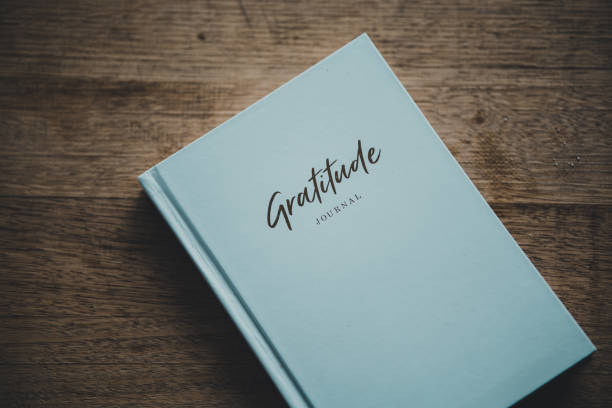
Practicing Gratitude
Gratitude is a beautiful practice that allows us to focus on the things we are thankful for in our lives. Schedule a time in your day to reflect on the positive aspects of your life and practice gratitude. Listing or reciting 3 things you’re grateful for each day is a great place to start. The more specific you can get, the better. However, if you need help with ideas, focus on the basics. Things like clean water to drink, the roof over your head, or a loving family are all great examples.
Mindful Walks
Mindful walking is another effective way to practice mindfulness. When you are feeling anxious, take a walk outside in nature and focus on your surroundings. Use your senses to notice the sights, sounds, and smells around you. Focus on the sensation of your feet touching the ground. This will help you to stay present in the moment, allow us to connect with our own body, and reduce anxiety.
Anxiety can be challenging to manage, but mindfulness practices can help. Incorporating these practices into your daily routine can help improve your mental health and overall well-being. What methods have you found to be helpful in managing anxiety?
 NIC NAVIGATES